Beams of steel: Building an I-beam structure in Dhangadhi, Nepal
In March of 2020, the world shut down. I couldn't fly home. I was stuck on campus in Hanover, NH with a few hundred other, mostly international students. Like everyone, I took Zoom classes from my dorm room. I was locked in. The campus was dead. They wouldn't let us meet others, have parties. Worst of all, online classes were boring. Online education cannot replace in-person learning. After all, it is the bonds with classmates that matter just as much as the education part.
I walked around campus and saw 250 years of educational investment lying dormant. How can Zoom classes sustain? How can 250 years of investment be replaced by 25 days of Zoom onboarding? I knew that things would get back to normal. I knew that I didn't travel halfway around the world to stare at a screen. I came to be educated, and I will leave educated, properly. So I made a bet. Humanity will overcome the virus, and we will get back to normal. I had nothing to back it up. No data, no timeline, just youthful confidence. With that, I dropped out.
I flew back to Nepal on the second commercial flight back. I landed in Nepal on Sept 7, a Monday, which also happened to be the first day of classes back in Hanover. A few weeks later, I was back home in Dhangadhi, Nepal. A town of some 200,000 and the economic hub of the Sudurpaschim (Far Western) province. I found myself bidding for Government contracts for a construction company. The lowest qualified technical bidder wins. Construction is the most capitalist and competitive industry in Nepal, a "federal democratic republic" with a "strong commitment to social democracy principles."
By late October, I was a wanderer, hopping between project sites spread over two districts. One project caught my attention: the construction of a hospital building using metal girders. These girders were 4x4 square pipes. I was intrigued by steel construction. Having walked on the streets of Manhattan surrounded by I-beams, I knew their immense potential. However, these 4x4 pipes were not that. At that time, there were just three other I-beam structures in Sudurpaschim. I went and inspected all of them.
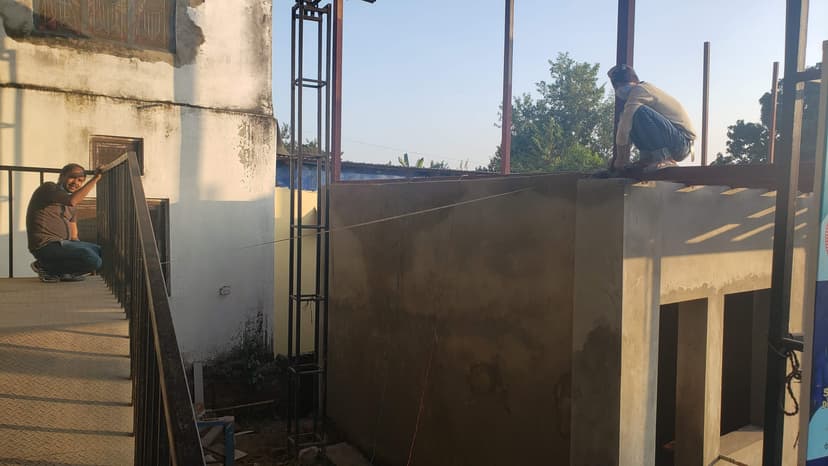
The iron workers on site, with 4x4 square pipe building half complete
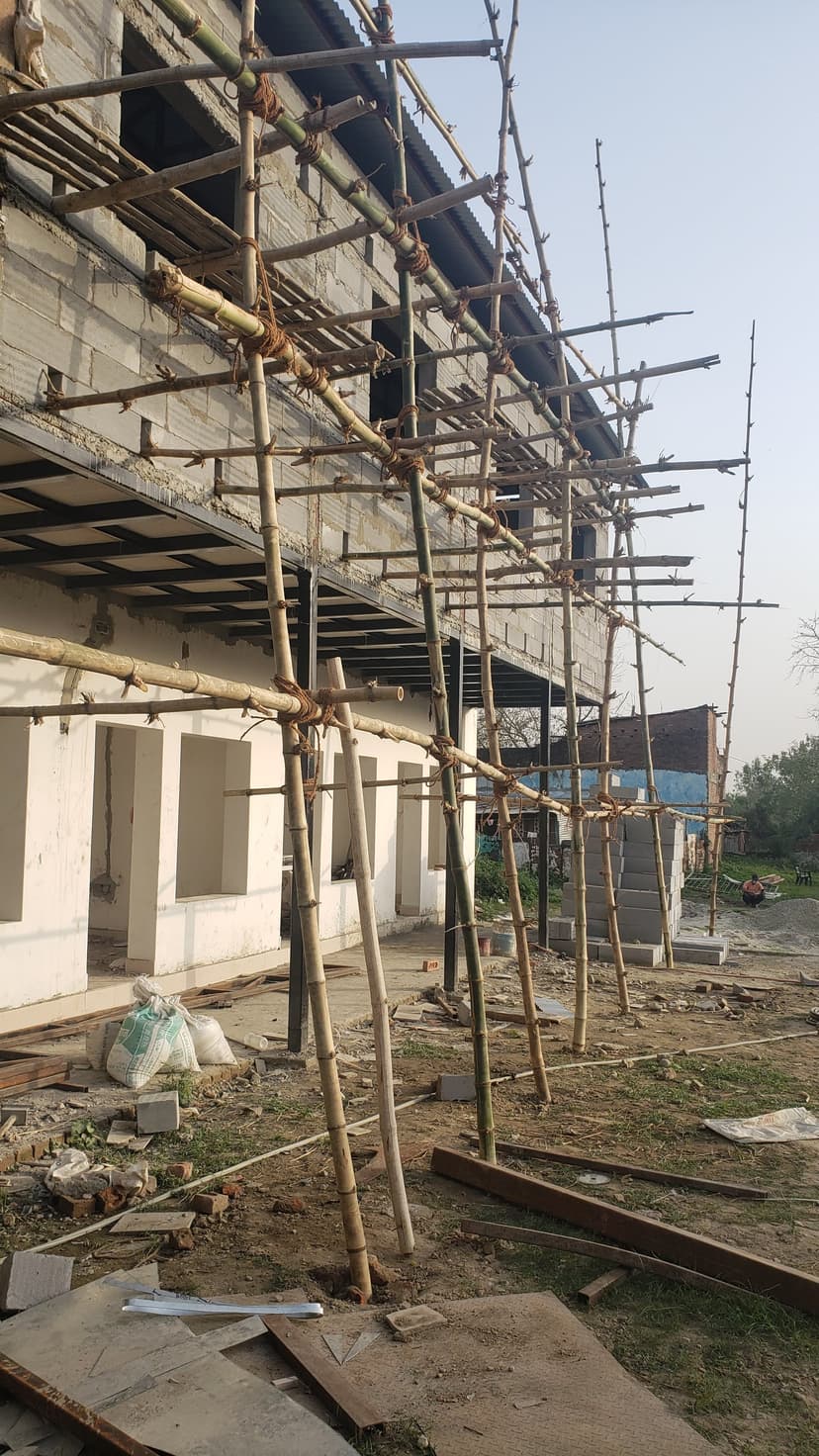
Work progressing on the 4x4's second floor. Note the lightweight walls using Autoclaved Aerated Concrete (AAC) blocks
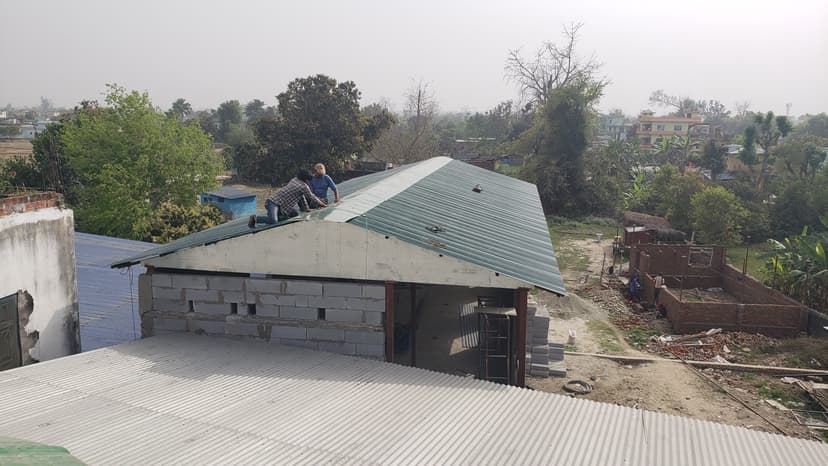
Finishing the roof of the 4x4's second floor
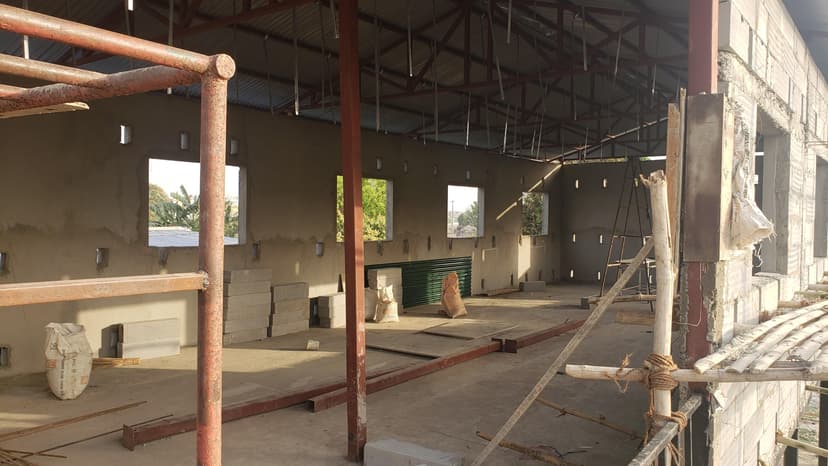
Inside the second floor of the 4x4's
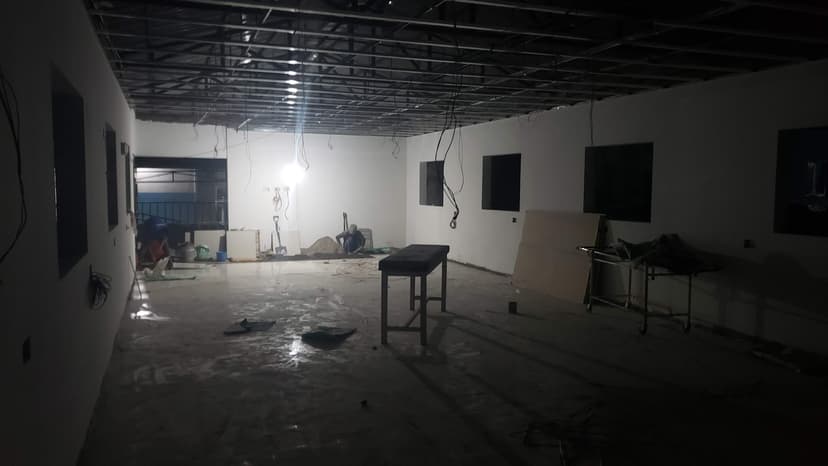
Working inside the second floor of the 4x4. Project completed just as the second wave of COVID hit
I wanted to know how we could build real I-beam structures. Mind you, about 95% of all buildings constructed in Nepal use RCC in place of metal frames. I enlisted my cousin, Bhuwan, to help. He was the engineer and PM in charge of that project. And I started researching. ChatGPT was yet to be born, so I went on Google and searched everything I could. From Indian Building Code to Nepal's under-development Steel Building Code, from I-beam profiles to suppliers, I went deep into this. I learned about H-beams, lightweight versus heavyweight. I learned how to weld two C-channels into a column, which sounds simple until you try it with a crew that's never done it. Good thing I knew some CAD.
By late March, our plans were complete. We now needed raw materials. We went to inspect I-beams at our supplier's warehouse. Rusted. Unusable. But we discovered something: they were manufactured in Nepal. No imports needed. We custom-ordered from the factory. The breakthroughs came slowly. A lathe operator who'd never made structural bolts figured it out. We cut the base plates from sheet metal with gas torches, which was a new technique for our crew. Decking sheets, which our suppliers had only seen in brochures, were now in Dhangadhi and on-site!
Back at the hospital, we finished the 4x4 pipe structure just before the second wave of Covid hit. From April to May, I witnessed some of the worst human health crises. People were dying due to lack of oxygen. Our project could wait.
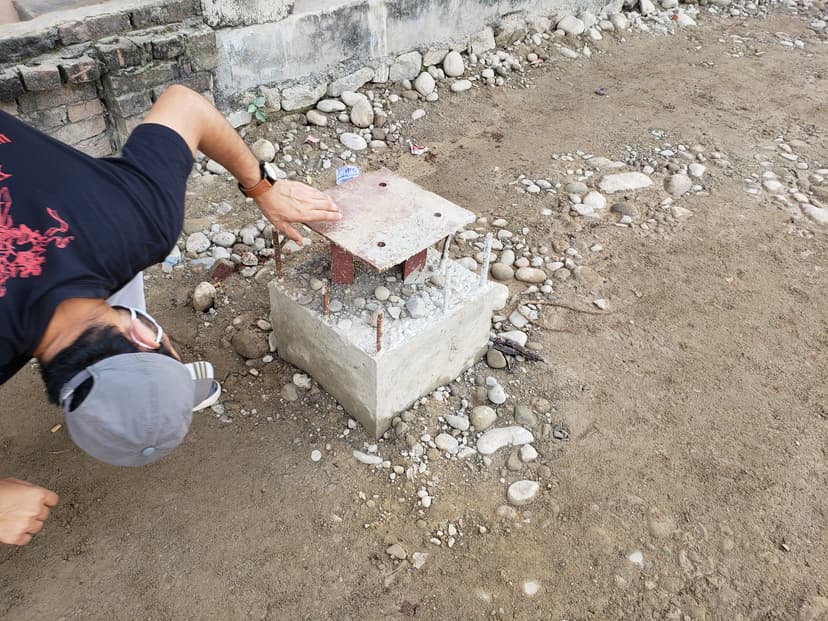
Bhuwan reviewing base plates for the 4x4's
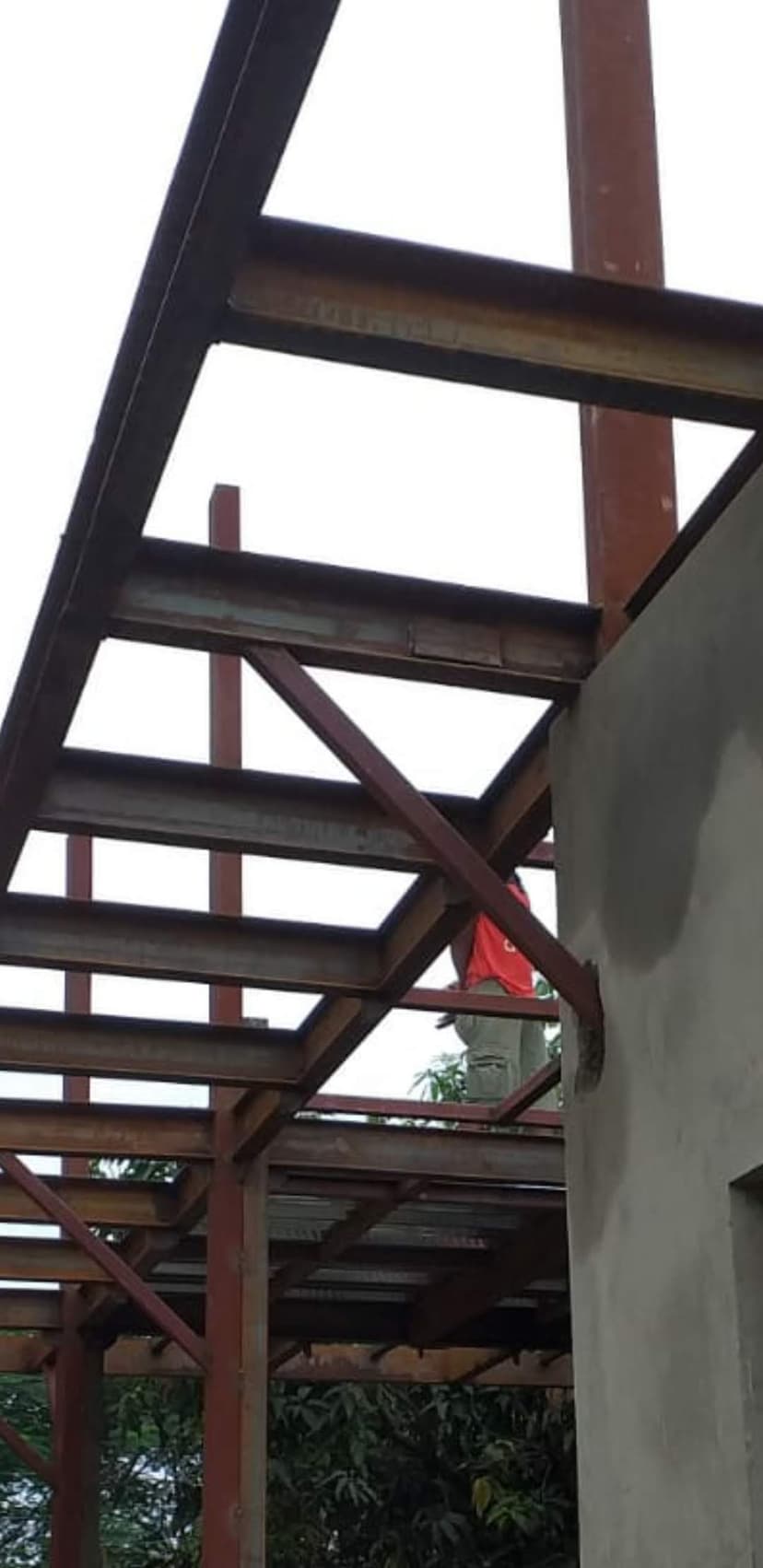
Work progresses on the I-beam structure's training ground
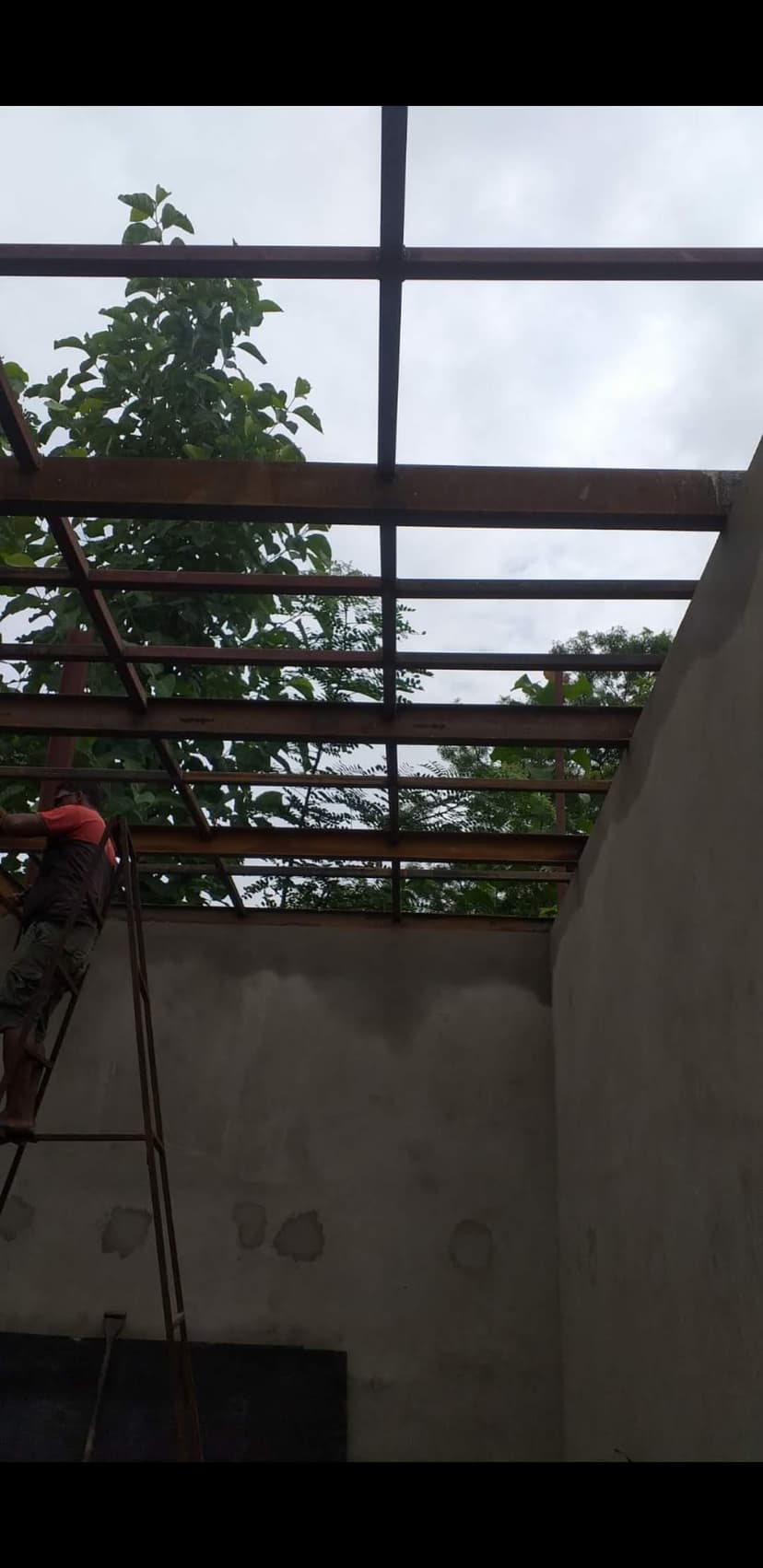
We ended up using a mix of C-channels and H-beams for the beams
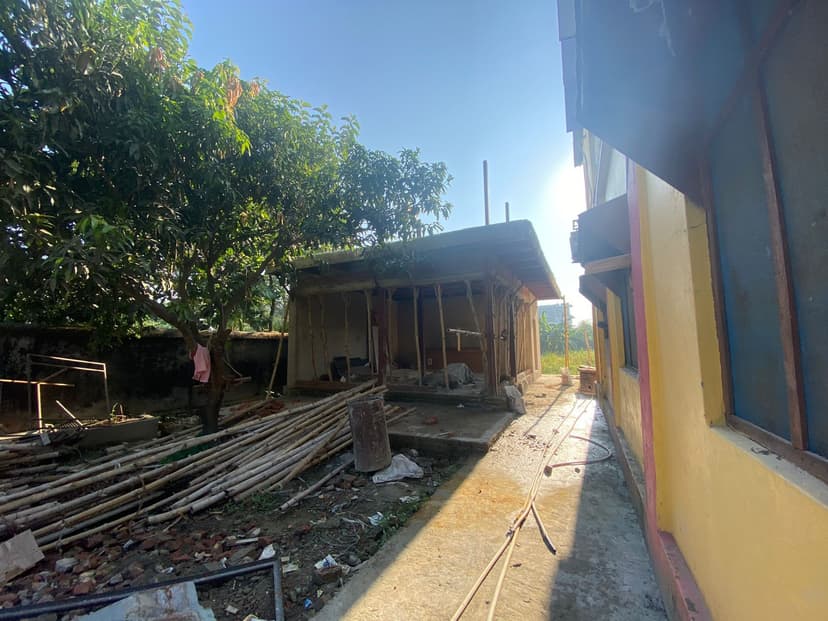
Work progressing on the I-beam structure's training ground
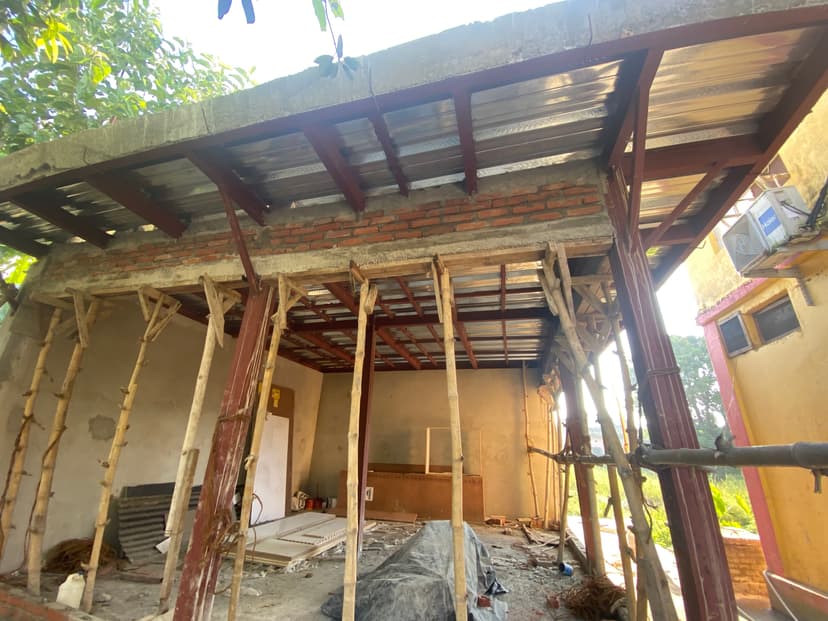
A close look. Note the C-channels welded together. We improved this for the hospital project.
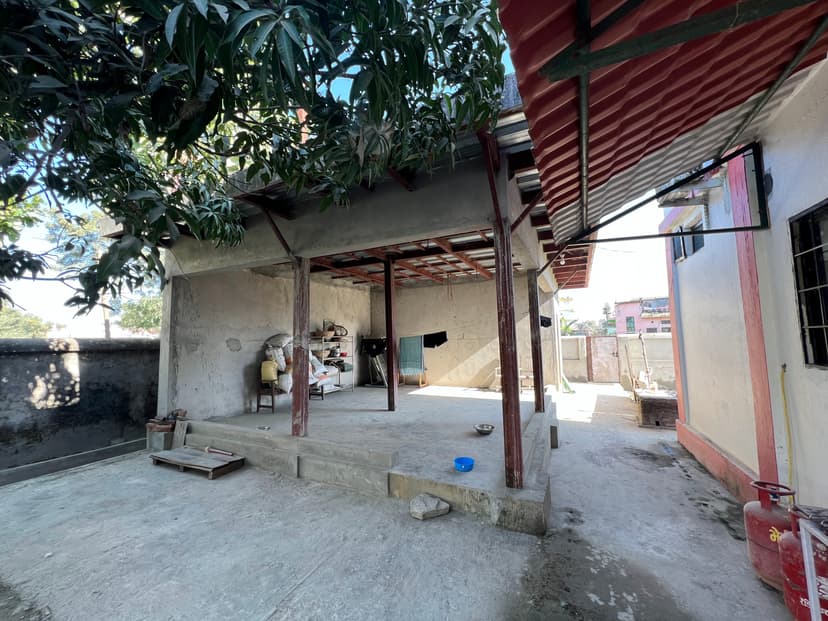
Training ground structure complete
In late June, we kicked off. To start, we built a small structure near our home. This was our training ground. We also needed the space.
In late July, we broke ground at the hospital. We were building a modern, three-storey I-beam structure. Our suppliers were ready. Our welders and masonry crew were ready. We were ready.
By August 2021, the first floor was 80% complete. The second floor was taking shape. I had to leave for college. I left blueprints, handed the project to Bhuwan and the team, and flew back to Dartmouth. They finished it without me, sending me updates on each floor. By Dec 2021, the project stood complete.
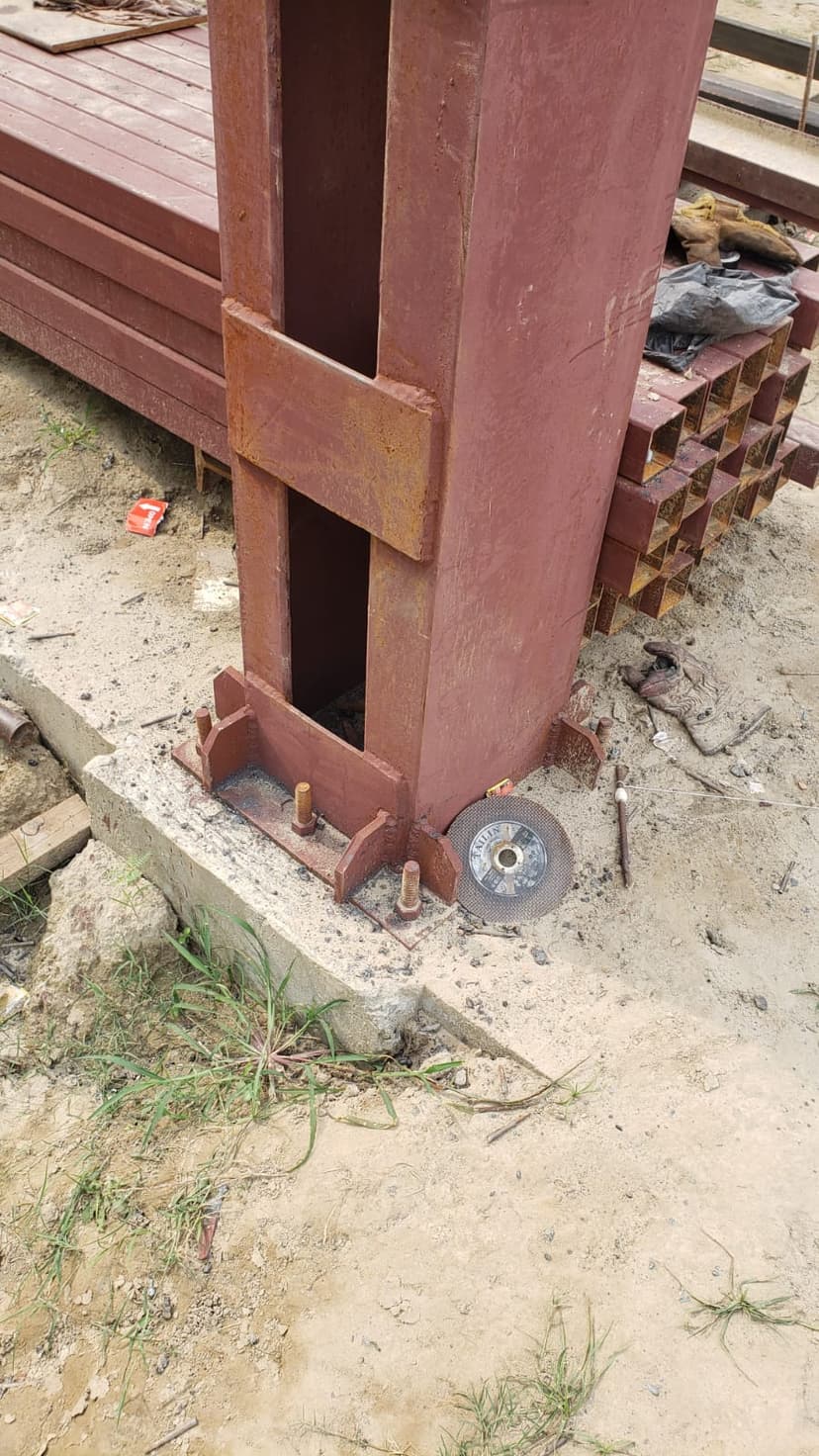
Our base plates. These were the hardest to install as the tolerances were tight.
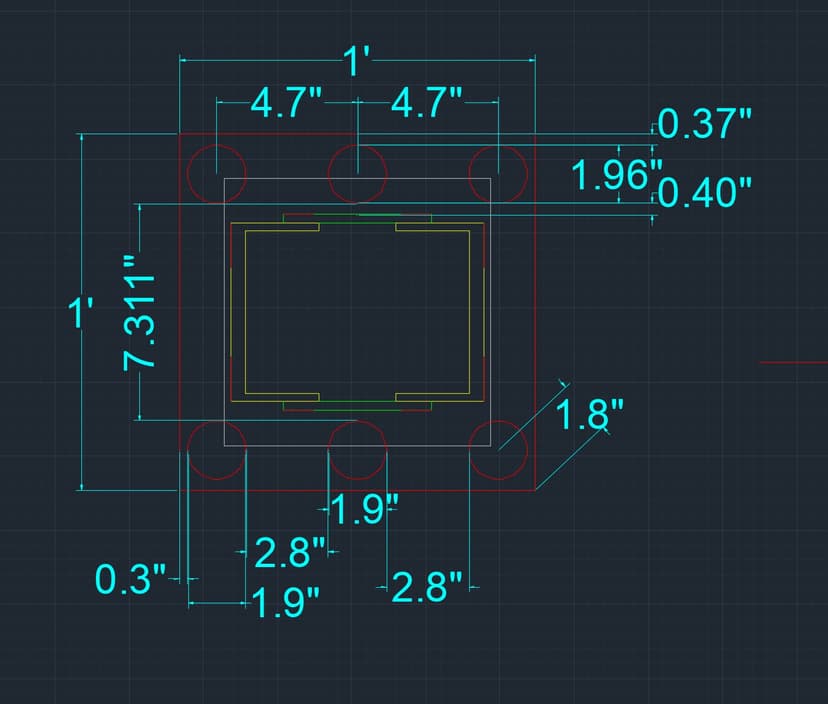
CAD drawings for the top base plates with H-beams
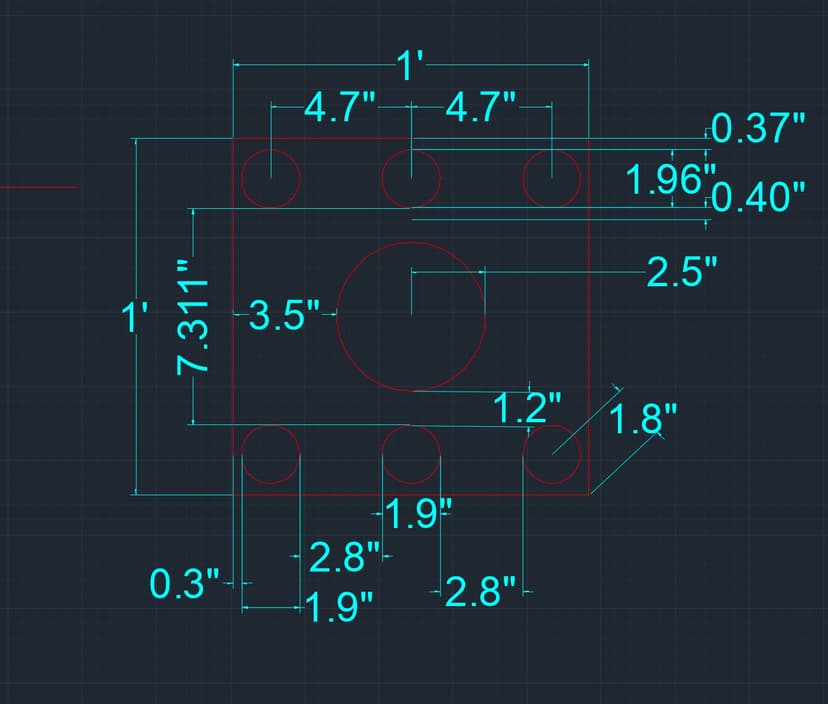
CAD drawings for the bottom base plates with circular holes for concrete to flow through
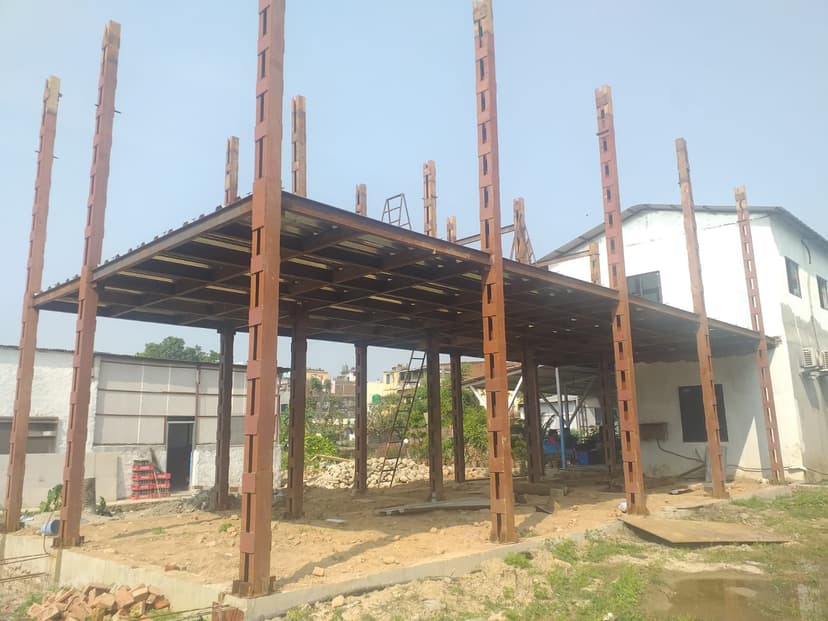
The completed framework of the first floor. Note the 4x4 building in the background
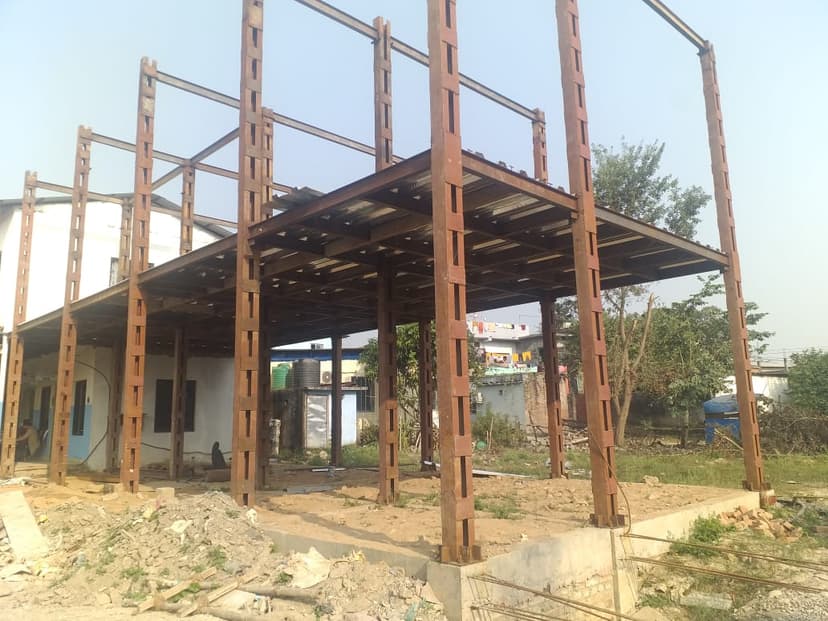
The completed framework of the first floor, another angle
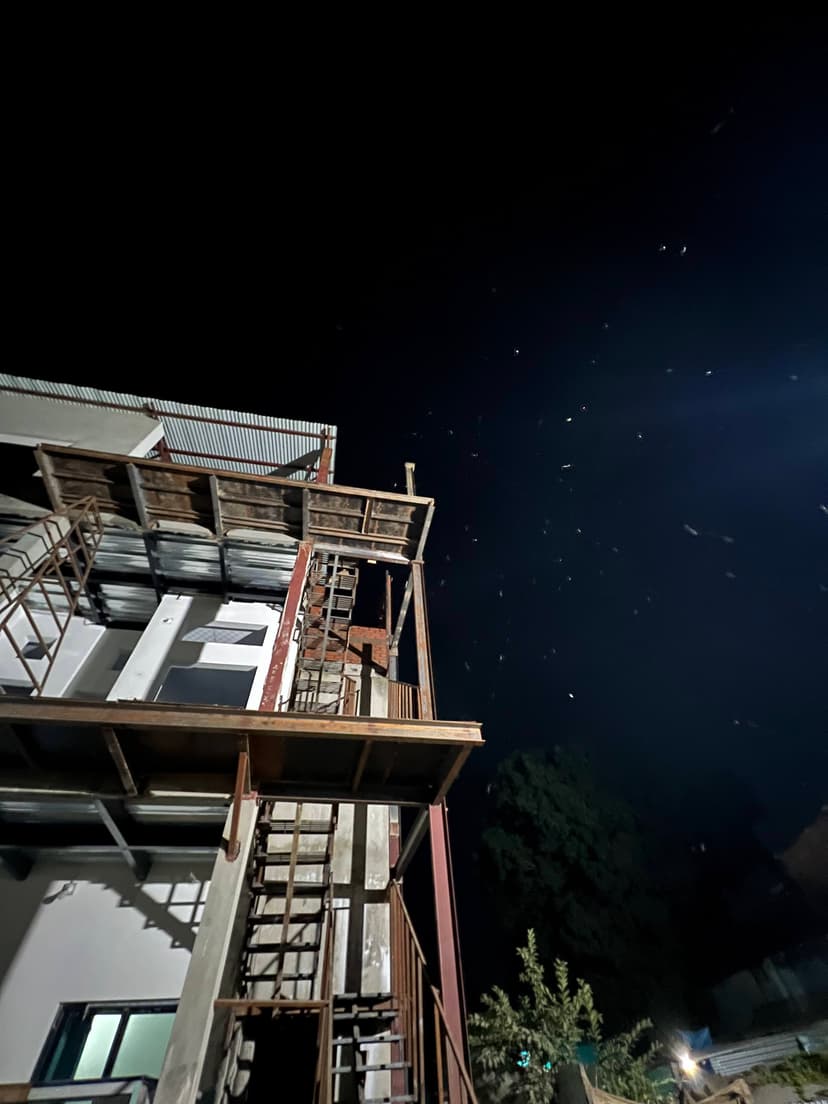
The completed framework of the third floor on a clear night
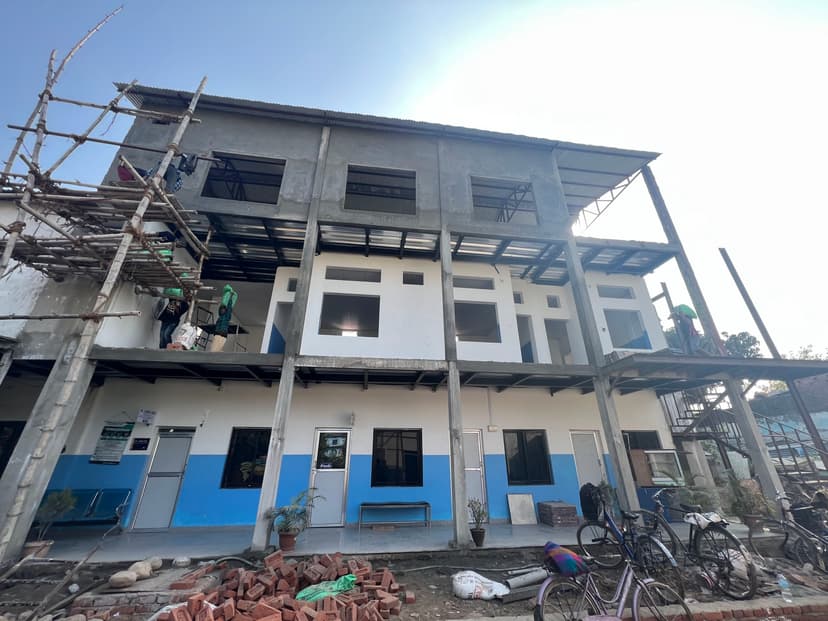
The completed I-beam structure at Nova Hospital, seen from the front
Somewhere in those months, covered in dust, reading engineering codes, watching C-channels fuse together, I realized something I'd always known but never named. I'm a builder. I find deep pleasure in taking something from idea to structure to standing.
Today, the building stands and is still in use. In 2021, we were the only construction company with the know-how to build I-beam steel frames in Sudurpaschim. There are several I-beam structures in Dhangadhi now, and we're making one ourselves again.
I took something that didn't exist in my part of the world and made it real. I've been doing it ever since.